
Subscriber question:
"I have heard the term movement area on an airport. What does that mean to the pilot?" - Kurt G.
Not subscribed yet? Sign up here to receive tips like this every week.
John:
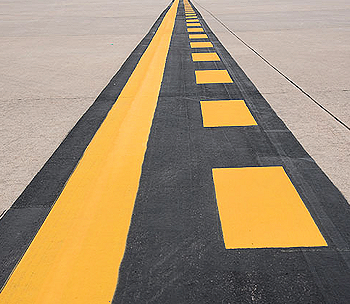
“At towered airports, the airport surface area is divided into two parts: non-movement area and movement area. The non-movement area is defined as ramps and aprons and is not controlled by ATC, which means you may move or taxi the airplane without clearance or communications with the control tower.
The movement area is defined as all taxiways and runways and is under the jurisdiction of the control tower, so a taxi clearance is required prior to entering into the movement area.
The boundary between the ramp and the taxiways is called the non-movement area boundary and is defined by two yellow lines: one solid and one dashed. The solid line is located on the non-movement area side while the dashed yellow line is located on the movement area side. Think of it the same as the double yellow line on a highway. You can pass a car where the line is dashed and not where it is solid.
Once ready to taxi, you should contact ATC Ground Control for taxi instructions. Once you receive a taxi clearance, movement to cross the non-movement area boundary marking and onto the taxiway is authorized.
You should preview the taxiway and airport diagrams for additional information for your airport layout.”